Why You Shouldn’t Be Embarrassed About Rectal Bleeding

Summary:

  • Embarrassment is the most common reason people delay seeing a doctor about rectal bleeding or bowel changes.
  • A first consultation starts with a conversation. Any physical examination is brief and requires no sedation.
  • Most first consultations do not end in colonoscopy or surgery. The majority of rectal bleeding cases have a benign cause.
  • Colorectal cancer is most treatable when found early. A consultation gives you information, not a predetermined course of action.

Research consistently shows that patients with colorectal symptoms delay seeking help for months or longer. The most common reason is not cost, access, or time. It is embarrassment.

If you have been putting off an appointment for rectal bleeding or changes in your bowel habits, you are in the majority. Most people find they have spent more time worrying about what the appointment might involve than the appointment itself actually takes.

This article starts with why so many people delay, and then explains what the appointment actually involves, step by step.

You Are Not the Only One Putting This Off

Why So Many People Delay

Rectal bleeding and changes in bowel habits are among the most common symptoms that people delay acting on. The delay is almost always about not knowing what the appointment will involve, and fearing that finding out will be worse than not knowing.

That combination of embarrassment about the symptom and anxiety about the examination keeps a significant proportion of people with genuinely treatable conditions out of the clinic for far longer than is in their interest. Many patients have had symptoms for months or longer before seeking assessment.

You are probably overestimating how uncomfortable the experience will be, and underestimating how much clarity it will give you.

Bleeding and Bowel Changes Are Among the Most Common Reasons People See a Specialist

Rectal bleeding is one of the most frequent reasons patients are referred to a colorectal specialist in Singapore. 

People commonly attribute symptoms to haemorrhoids (piles), dietary changes, or stress before deciding whether to seek help. 

Bowel changes, including alterations in stool frequency, consistency, urgency, or incomplete evacuation, are similarly common. These symptoms have a wide range of causes, the majority of which are benign. 

Getting clarity starts with a single appointment. Get in touch with Dr Calvin Ong’s clinic to find out whether your symptoms warrant further assessment.

What Does a First Colorectal Consultation Usually Involve?

The Questions You’ll Be Asked

The consultation begins with a conversation. Your surgeon will ask about your symptoms in detail: when they started, how often they occur, what they look like, and whether anything makes them better or worse. 

You will also be asked about your medical history, medications, family history of colorectal conditions, and diet and bowel habits.

Topics your surgeon is likely to cover:

  • Your symptoms: when they started, how often they occur, and what they look like
  • What makes symptoms better or worse
  • Your medical history and current medications
  • Family history of colorectal conditions
  • Diet and bowel habits

These questions help the surgeon build a complete picture before any physical assessment. You do not need to have prepared a detailed account. Answering as accurately as you can is sufficient.

What the Physical Exam Does and Doesn’t Involve

Whether a physical examination is needed depends on your symptoms and what the history has suggested. Depending on your symptoms, one or both of the following may be carried out.

ExaminationWhat it involvesDurationSedation required
External examinationThe surgeon examines the perianal area (skin around the anus) for visible signs such as skin tags, fissures, or external haemorrhoids. Done with you lying on your side.Under 1 minuteNo
ProctoscopyA short, hollow instrument is used to view the inside of the lower rectum. Performed if internal haemorrhoids or other internal conditions are suspected.Under 2 minutesNo

There is one further examination worth addressing directly, because it tends to be the one people are most reluctant to ask about.

How Long Does a Digital Exam Take?

A digital rectal examination (DRE) involves the surgeon inserting a gloved, lubricated finger into the rectum to feel for any abnormalities. It takes less than 30 seconds, is not painful, and is completed before most patients have had time to form a strong opinion about it.

The anticipation is almost universally worse than the examination itself. That is a consistent clinical observation, and it is worth knowing before you decide whether to book.

Will You Need Further Tests After Your Appointment?

When Further Investigation Is Needed, and When It Isn’t

For many patients, findings are straightforward: a visible cause for the bleeding is identified, or the bowel change is clearly linked to a dietary or lifestyle factor, and no further investigation is needed. 

Your colorectal surgeon will be looking for a specific cluster of signals rather than making assumptions. Further investigation becomes relevant when these are present:

  • Blood mixed through the stool rather than coating it
  • Significant changes in bowel habit persisting for more than a few weeks
  • Unexplained weight loss
  • A relevant family history of colorectal conditions

Most Cases Don’t End in Colonoscopy or Surgery

One of the most persistent fears about seeing a colorectal surgeon in Singapore is that the appointment will set off a chain of investigations and procedures. In practice, the majority of first consultations result in a diagnosis that can be managed conservatively, with lifestyle changes, dietary adjustments, or simple non-surgical treatment.

A colonoscopy (an examination of the full colon using a flexible camera) is recommended when there is a specific clinical reason to look further, not as a routine response to every patient with rectal bleeding. 

Surgery is even less frequently the outcome of a first consultation. What you do with the information from your appointment is a decision you make in conversation with your doctor.

Why Waiting Is Making Things Harder, Not Easier

That clarity is available. The question is how long you are prepared to wait for it.

When people delay seeking assessment, the symptom does not go away, the anxiety about what it might mean does not go away either, and the embarrassment about having waited compounds the original reluctance to book. 

Six months of monitoring a symptom you are worried about is not a neutral experience. It is six months of low-level background anxiety and peace of mind that was available but not taken.

Why Early Assessment Matters, Even for Minor-Seeming Symptoms

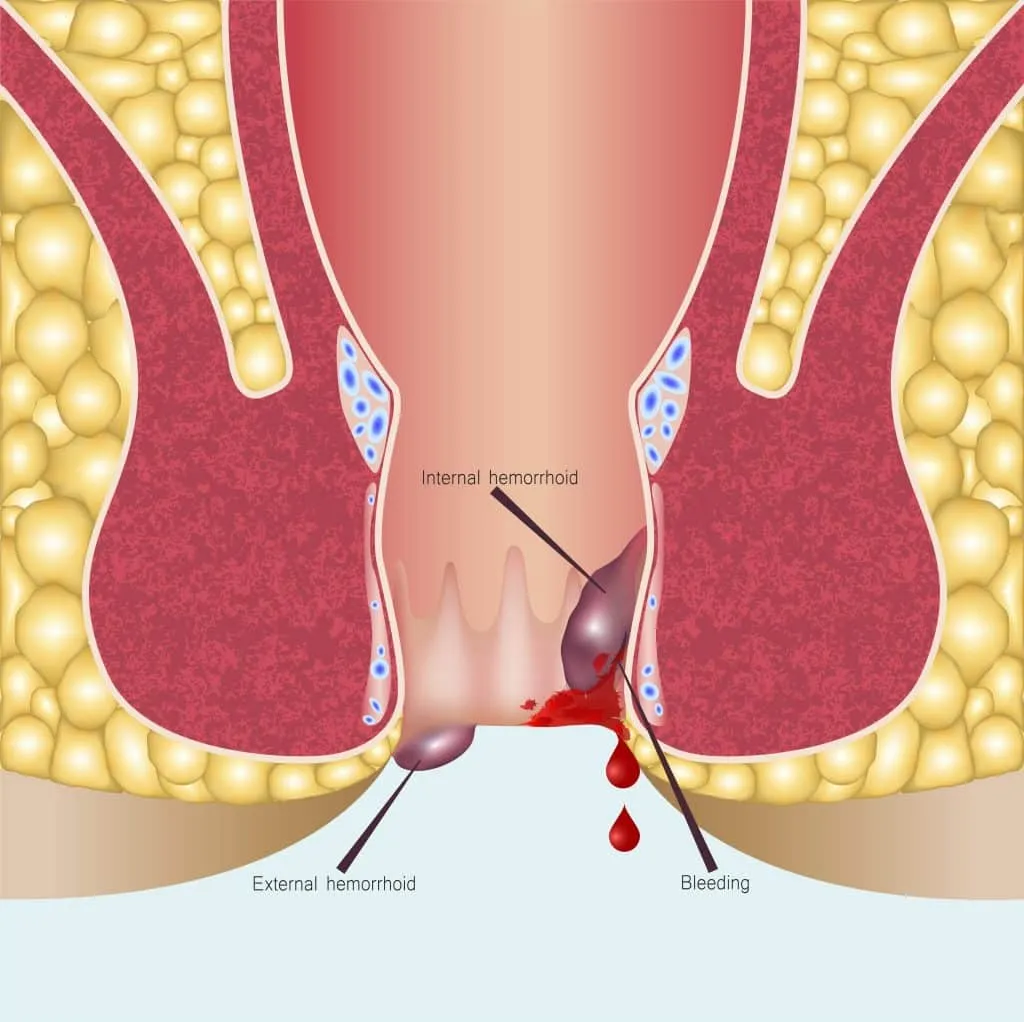
Most rectal bleeding has a benign cause. Haemorrhoids, anal fissures, and minor dietary changes account for the large majority of cases in otherwise healthy adults. But the only reliable way to confirm that your bleeding is benign is to have it assessed by someone who can examine you.

Colorectal cancer is most treatable when found early. A research study has identified “stage at diagnosis” as one of the strongest predictors of survival, with patients diagnosed at a localised stage faring significantly better than those diagnosed with advanced disease. 

When a benign cause is found, you can leave the appointment reassured. When something more significant is identified early, the outcome is meaningfully better than if it had been found later.

Early assessment is not a worst-case scenario. It is the version of events where you find out sooner, with more options, and with less time spent worrying.

Take the First Step With Dr Calvin Ong

Dr Calvin Ong is a Senior Consultant colorectal surgeon with more than 15 years of experience in Singapore. He is committed to providing patients with an accurate diagnosis and personalised treatment recommendations.

Book a consultation with Dr Calvin Ong.

Laser Treatment for Piles: How It Works

Summary:

  • Laser haemorrhoidectomy shrinks tissue internally without excision, leaving no large open wounds and generally causing less post-operative pain than traditional surgery.
  • It works best for Grade 2 and Grade 3 piles. Grade 4 cases typically require conventional surgery.
  • Clinical trial evidence shows significantly lower pain scores on day one and day seven, with fewer days of analgesic use.
  • Most patients return to desk-based work within the first week, but full tissue resolution takes several weeks.

It is estimated that haemorrhoids (piles) affect roughly one in four people over their lifetime. However, most wait months or years before seeing a doctor.

The reluctance is understandable. The subject is uncomfortable to raise, and the thought of surgery feels worse than managing the symptoms. So many people do just that: they manage, they tolerate, and they quietly hope it resolves on its own.

Laser treatment for piles has become a more common option for patients who are ready to act but wary of a long or painful recovery. If you are trying to understand what the procedure involves, who it works for, and what recovery looks like, this is a good place to start.

How Does Laser Treatment for Piles Work?

What the Laser Does to the Tissue

Laser haemorrhoidectomy works by directing a focused beam of laser energy into the haemorrhoidal tissue. This causes the tissue to shrink and fibrose (harden into scar tissue), reducing its size and cutting off its blood supply. Over the following weeks, the treated tissue gradually recedes.

Unlike traditional haemorrhoidectomy (surgical removal of haemorrhoidal tissue), laser treatment for piles does not require cutting away tissue with a scalpel. 

Because the laser targets tissue internally rather than excising it, there are no large wounds left behind, which is the main reason why post-operative pain and recovery time tend to be shorter for suitable candidates.

Anaesthesia and Duration

Laser haemorrhoidectomy is typically performed as day surgery. It is carried out under anaesthesia, most commonly spinal or general, so you will not feel anything during the procedure. Operative time varies depending on the number and size of haemorrhoids being treated, but the procedure is generally completed within a single theatre session. 

Your surgeon will discuss the most appropriate anaesthesia option for your situation beforehand.

What You’ll Feel During and Immediately After

You will be under anaesthesia throughout, so there is no sensation to be concerned about during the procedure. Immediately after, as the anaesthesia wears off, it is normal to experience some discomfort, fullness, or mild swelling in the treated area. 

Most patients manage comfortably on standard oral analgesics (pain-relief medication taken by mouth) in the first few days at home.

Is Laser Treatment Right for Your Grade of Piles?

Which Grades Suit Laser Treatment

Haemorrhoids are classified by grade, from Grade 1 (small, internal, not visible) through to Grade 4 (permanently prolapsed, meaning they cannot be pushed back in). 

Multiple systematic reviews indicate that laser haemorrhoidectomy is most effective for Grade 2 and Grade 3 haemorrhoids. Grade 2 prolapse during bowel movements but retract on their own; Grade 3 prolapse and require manual reduction.

You may be a suitable candidate if you have:

  • Grade 2 haemorrhoids (prolapse during bowel movements but retract on their own)
  • Grade 3 haemorrhoids (prolapse and require manual reduction)
  • Grade 1 haemorrhoids causing persistent or significant symptoms

Laser treatment may not be the right fit if you have:

  • Grade 4 haemorrhoids (permanently prolapsed, cannot be manually reduced)
  • Certain anatomical considerations your surgeon identifies on examination
  • A history of prior haemorrhoid procedures

Not sure where your symptoms sit on that scale? Dr Calvin Ong offers in-person consultations where your grade and symptoms can be assessed properly.

When Laser Isn’t the Right Fit

Laser treatment is not a universal solution. Grade 4 haemorrhoids and complex presentations may require conventional surgery. Patients with certain anatomical considerations, or a history of prior haemorrhoid procedures, may also not be the most suitable candidates. 

Different presentations call for different approaches, and only a clinical assessment can determine which is right for you.

What to Expect During Recovery

A 2026 study found that patients undergoing laser procedures reported significantly lower pain scores on day one and day seven following surgery, and required fewer days of analgesic use compared to traditional haemorrhoidectomy. 

Pain levels still vary between individuals, depending on the number of haemorrhoids treated, your pain threshold, and how well you manage post-operative care.

Most patients return to desk-based or sedentary work within the first week, though more physically demanding roles may require longer. Full tissue resolution takes several weeks. 

The table below gives a general picture of what to expect, though your surgeon will advise on your specific case.

TimeframeWhat to expect
Days 1–3Some discomfort, swelling, and fullness are normal. Manage with prescribed oral pain relief. Rest advised.
Days 3–7Most patients with desk-based roles can return to work. Follow dietary guidance (high fibre, adequate hydration).
Weeks 2–3Light activity resumes for most patients. Avoid prolonged sitting, heavy lifting, and strenuous exercise until cleared by your surgeon.
Weeks 4 onwardsTreated tissue continues to resolve. Your surgeon will advise at follow-up.

Laser vs Traditional Haemorrhoidectomy: The Key Differences

Both procedures require anaesthesia, pre-operative assessment, and careful aftercare. Where they diverge is in technique, wound management, and typical recovery. 

Outcomes vary by patient and procedure complexity; the comparisons below reflect findings from published clinical trials and should be considered alongside your surgeon’s assessment.

Laser haemorrhoidectomyTraditional haemorrhoidectomy
TechniqueLaser energy shrinks tissue internallyTissue excised (cut away) with a scalpel
WoundsNo large open woundsOpen wounds in the anal canal
Post-operative painGenerally lower in clinical trialsOften significant post-surgically
Return to activityTends to be earlier in clinical trial populationsLonger recovery period typical
Anaesthesia requiredYesYes
Pre-operative assessmentYesYes
AftercareFibre, hydration, no straining, follow surgeon’s instructionsSame
Possible complicationsBleeding, infection, recurrenceBleeding, infection, recurrence

Aftercare carries real weight regardless of technique. Patients who follow dietary adjustments, activity restrictions, and their surgeon’s post-operative instructions tend to recover more smoothly than those who do not.

How Do You Know If Laser Treatment Is Right for You?

Haemorrhoids vary considerably in grade, size, location, and symptoms. Two people who both describe “painful piles” may have presentations that call for entirely different approaches. Your overall health, previous procedures, bowel habits, and clinical examination findings all feed into that decision.

Get a Straight Answer From Dr Calvin Ong

Generalised advice has limits. The answer to “is laser treatment for piles right for me?” can only come from a surgeon who has actually assessed you.

Dr Calvin Ong is a Senior Consultant colorectal and general surgeon with more than 15 years of experience with piles treatment in Singapore. He is committed to providing patients with an accurate diagnosis and personalised treatment recommendations. 

Book a consultation with Dr Calvin Ong. 

What Your Bowel Habits Are Telling You (And Why It Matters)

Summary:

  • Normal bowel frequency ranges from three times a day to three times a week. What matters more than the number is whether your pattern has changed and stayed that way.
  • Straining, bloating, incomplete emptying, and rectal bleeding are not just inconveniences to live with. They are symptoms that deserve a clinical assessment, not self-diagnosis.
  • The gut-brain connection is real: stress and disrupted sleep alter gut motility and can trigger or worsen conditions such as irritable bowel syndrome.
  • If you have dark or persistent rectal bleeding, a sustained change in bowel habits, or unexplained weight loss or fatigue, do not wait. These are red flags that need a specialist’s attention.

When it comes to bowel health, the symptoms worth paying attention to are often the easiest to dismiss: a change in how often you go, stools that seem different from usual, or a lingering feeling that you have not quite finished.

It is easy to attribute these changes to diet, stress, or ageing, yet these subtle symptoms often go unaddressed for months. This article outlines the bowel symptoms worth paying attention to, the conditions they may be associated with, and when to consider seeing a colorectal specialist in Singapore.

Why Does Nobody Talk About Bowel Health and Why Does That Matter?

Bowel health remains a topic that is seldom discussed openly, leaving many individuals uncertain about whether their symptoms warrant medical evaluation. The stigma surrounding rectal symptoms further contributes to delays in presentation, despite the importance of timely assessment in the diagnosis and management of colorectal conditions.

As a result, many individuals delay seeking medical advice until symptoms become more severe or begin to interfere with their daily lives.

If you have noticed ongoing changes in your bowel habits or bowel health, seek an assessment with Dr Calvin Ong to better understand what may be causing your symptoms.

What Do “Normal” Bowel Habits Look Like?

Bowel habits vary considerably from person to person. Factors such as diet, hydration, physical activity, stress levels, medications, and age can all influence how often you pass motion and what your stool looks like. For this reason, colorectal specialists are often more interested in changes from your usual pattern than in any single bowel movement.

Clinically, anywhere between three times a day and three times a week is considered within the normal range for passing motion.

What matters more than the number is whether your pattern has changed and stayed that way. A meaningful shift in frequency, consistency, or ease of passing stool that persists beyond two to four weeks is a signal worth taking seriously.

Stool consistency is assessed by doctors using the Bristol Stool Form Scale, which classifies stool into seven types ranging from hard, separate lumps to entirely liquid.

TypeDescriptionWhat it may indicate
1Separate hard lumps, like nutsSevere constipation
2Sausage-shaped but lumpyMild constipation
3Sausage-shaped with cracks on the surfaceNormal
4Smooth, soft sausage or snakeNormal (ideal)
5Soft blobs with clear-cut edgesLacking fibre
6Fluffy pieces with ragged edgesMild diarrhoea
7Entirely liquid, no solid piecesSevere diarrhoea

While types three and four are generally considered ideal, persistent changes in stool consistency over time should not be ignored.

How the Singaporean Lifestyle Is Quietly Affecting Your Bowel Health

Office worker sitting at a desk working on a laptop

Modern lifestyles can have a significant impact on bowel health and, over time, on your gut and colorectal health. Long hours spent sitting at work may contribute to constipation and changes in bowel habits over time, while diets that are low in dietary fibre can lead to slower bowel transit and poorer bowel function.

In Singapore, where meals often centre around refined carbohydrates and long working hours are common, many adults may not consume enough dietary fibre to support optimal bowel health. Stress and disrupted sleep can also influence bowel function, contributing to symptoms such as constipation, diarrhoea, and irritable bowel syndrome.

While occasional digestive symptoms are common, persistent changes in bowel habits should not be dismissed as a normal consequence of a busy lifestyle.

Symptoms Most Singaporeans Accept as Normal, Even When They Shouldn’t

Several bowel symptoms are commonly overlooked or attributed to lifestyle factors, despite the fact that persistent symptoms may warrant medical evaluation.

  • Irregular bowel movements: Changes in bowel habits are often attributed to stress, travel, or dietary changes. However, persistent changes that continue for several weeks warrant closer attention.
  • Bloating and abdominal discomfort: Many people accept bloating as a normal part of daily life. When symptoms are persistent, recurrent, or worsening, they may require further evaluation.
  • Straining and a sensation of incomplete emptying: These symptoms are frequently overlooked despite being associated with a range of treatable colorectal conditions, including haemorrhoids and anal fissures.
  • Rectal bleeding: Although rectal bleeding is commonly caused by haemorrhoids, it can also be associated with other colorectal conditions. Persistent or unexplained bleeding should always be medically assessed.

Persistent bowel symptoms should not be overlooked. Consult Dr Calvin Ong for an accurate assessment and personalised recommendations based on your symptoms.

What Are the Red Flags That Need a Colorectal Specialist’s Attention?

See a colorectal doctor in Singapore if you experience any of the following:

  • Rectal bleeding that is dark, persistent, or mixed into stool. Bright red blood after wiping may indicate piles, but dark blood or bleeding mixed into stool requires clinical assessment.
  • A lump near the anus. Although commonly attributed to haemorrhoids, anal or rectal lumps can have a range of causes and should be medically assessed if they persist, enlarge, or cause discomfort.
  • A significant or sustained change in bowel habits. A change persisting for more than two to four weeks with no clear dietary or lifestyle cause should be investigated.
  • Unexplained weight loss, fatigue, or abdominal pain. These systemic symptoms may accompany a gastrointestinal condition and, in combination with any change in bowel habits, significantly raise the threshold for seeking an assessment.

Many bowel symptoms have benign and treatable causes. However, because symptoms can overlap between conditions, an accurate diagnosis is often the most important first step.

Speak to Dr Calvin Ong, Colorectal Specialist in Singapore

If your bowel habits have changed, or you have been putting off symptoms that you know deserve attention, a consultation may be an appropriate next step.

Dr Calvin Ong is an experienced colorectal specialist with over 15 years of experience managing a wide range of colorectal conditions. His colorectal clinic in Singapore provides specialist assessment and treatment for conditions ranging from haemorrhoids to colorectal cancer, with a focus on accurate diagnosis and personalised care.

Book an appointment today

Why You Cannot Delay Treatment If You Have an Anal Fistula

Summary:

  • Unlike some other conditions, an anal fistula does not resolve without treatment. Delaying treatment may allow the fistula to become more extensive and more difficult to manage.
  • Between 26% and 38% of perianal abscesses may progress to an anal fistula. A history of abscess is therefore an important risk factor to be considered during assessment.
  • Delaying anal fistula treatment may narrow surgical options. Early treatment is more likely to allow sphincter-preserving procedures before the fistula tract becomes more complex.
  • Diabetes and Crohn’s disease are associated with a higher risk of complex anal fistulas and recurrence after treatment. These conditions often warrant earlier specialist assessment.
  • In complex anal fistula cases, sphincter-preserving procedures such as LIFT, FiLaC, and VAAFT may be options. The most suitable approach depends on the anatomy of the fistula and is determined on a case-by-case basis.

Many people with an Anal Fistula spend weeks or even months hoping that the problem will resolve on its own. 

Symptoms may come and go, and discomfort or discharge around the anus is often mistaken for haemorrhoids or a minor infection. Because symptoms affecting the anal area can feel embarrassing or difficult to discuss, many people delay seeking medical advice.

However, an anal fistula will not heal without treatment. Over time, the fistula may become more complex, extending into surrounding tissue or forming additional tracts.

Early evaluation and treatment may help prevent progression to more complex disease and can provide access to a wider range of anal fistula treatment options.

How a Fistula Develops, and Why It Rarely Stays Straightforward

The majority of anal fistulas begin with a perianal abscess, which is a collection of pus in the tissue around the anus. 

When an abscess drains, it may leave behind a hollow channel through the surrounding tissue. If this channel does not heal and close completely, an anal fistula can develop. This is why some people continue to experience recurring symptoms even after an abscess has drained.

Left untreated, an anal fistula can become more complex over time. Ongoing inflammation may lead to scarring of the surrounding tissue, extension into adjacent areas, or the formation of additional tracts. 

The fistula may also involve more of the muscles that control bowel movements, which can make anal fistula treatment and recovery after fistula surgery more challenging.

If you have ongoing pain, swelling, or discharge around the anus, consider booking a consultation early. Prompt evaluation can help determine whether an anal fistula is present and what treatment options may be available.

Simple or Complex Fistula: What Is the Difference, and Does It Matter?

Colorectal surgeons classify anal fistulas on a spectrum from simple to complex. This classification helps determine which treatment options are appropriate and which can be performed safely while minimising the risk of complications, such as problems with bowel control.

Simple fistulaComplex fistula
TractSingle, low-lyingMultiple tracts or branching secondary tracts
Sphincter involvementMinimal or noneHigh positioning relative to or through the sphincter
Associated conditionsNoneCrohn’s disease, previous radiation, or other healing-impairing conditions
HistoryFirst presentationRecurrence after previous treatment
Treatment approachBroader range of optionsNarrower range; sphincter-sparing techniques required

Where sphincter-preserving surgery is appropriate, your options include:

  • LIFT (ligation of intersphincteric fistula tract): An incision is made between the inner and outer sphincter muscles to close off and divide the fistula tract.
  • FiLaC (fistula laser closure): A form of anal fistula laser treatment in which a laser probe seals the tract through heat and tissue shrinkage, without cutting the sphincter.
  • VAAFT (video-assisted anal fistula treatment): A small camera maps and treats the tract simultaneously, using heated probes to remove unhealthy tissue.

Are There Less Invasive Treatment Options for Anal Fistulas?

The most appropriate treatment for an anal fistula depends on its complexity, location, and relationship to the sphincter muscles. 

While some fistulas require conventional surgery, selected patients may be suitable for sphincter-preserving procedures that aim to treat the fistula while minimising disruption to the muscles that control bowel continence.

One such option is FiLaC (fistula laser closure), a form of anal fistula laser treatment.

FiLaC (fistula laser closure)

During this procedure, a specialised laser probe is inserted into the fistula tract to seal it from within using controlled heat energy, without cutting through the sphincter muscles. Because it preserves the sphincter, FiLaC may be considered a less invasive treatment option for suitable patients.

However, not all anal fistulas can be treated with laser therapy. A colorectal surgeon will assess the anatomy and complexity of the fistula to determine whether anal fistula laser treatment is an appropriate option.

Book a consultation with Dr Calvin Ong to find out whether less invasive anal fistula treatment may be suitable for your condition.

How Delaying Treatment Can Limit Your Surgical Options

Early anal fistula treatment often provides the widest range of treatment options and may lead to a simpler recovery process. This is because fistulas that are treated earlier are less likely to become complex or involve the muscles that control bowel movements.

When an anal fistula is left untreated, the tract may extend further into the surrounding tissues or develop additional branches over time. It may also involve a greater portion of the sphincter muscles, which can limit the surgical options available and make treatment more challenging.

Delaying treatment may also increase the risk of recurrence. Additional tracts or extensions can be more difficult to identify and treat completely, potentially increasing the likelihood that further treatment may be required.

Who Is at Higher Risk of an Anal Fistula Becoming More Complex?

Some patients are at a higher risk of developing a more complex anal fistula or experiencing recurrence after treatment.

Patients with Crohn’s disease are more likely to develop perianal fistulas, which are often more complex and may require ongoing management. These fistulas are also associated with a higher risk of recurrence compared with fistulas that occur in patients without underlying inflammatory bowel disease.

Patients with poorly controlled diabetes may be at greater risk of persistent infection, slower healing, and recurrence following treatment. A history of a previous perianal abscess or fistula may also increase the likelihood of developing a recurrent or more complex fistula.

If you are attending your first consultation for an anal fistula, it can be helpful to read up on how anal fistulas are diagnosed and to prepare the following information:

  • When your symptoms first appeared, and how they have changed over time
  • Whether you have previously had a perianal abscess or anal fistula
  • Any prior anorectal surgery or procedures
  • Any underlying medical conditions, particularly Crohn’s disease or diabetes
  • Current medications, especially immunosuppressants or medications used to treat Crohn’s disease

Speak to Dr Calvin Ong About Anal Fistula Treatment in Singapore

Dr Calvin Ong is a colorectal specialist with experience in the management of anal fistulas. He is experienced in both conventional and sphincter-preserving techniques, including LIFT, FiLaC (laser), and VAAFT (video-assisted) procedures, and tailors treatment recommendations to the complexity and anatomy of each patient’s condition.

If you have symptoms you are concerned about, a history of perianal abscess, or a fistula that has recurred after previous treatment, a consultation will give you a clear assessment and a practical path forward.

Book an appointment with Dr Calvin Ong

Why Hernias Return After Surgery (And What to Do About It)

Summary:

  • Several factors can contribute to hernia recurrence, including obesity, smoking, and activities that place ongoing strain on the abdominal wall.
  • Smoking, in particular, has been associated with a significantly higher risk of recurrence.
  • For inguinal hernias, both laparoscopic and open mesh repair have been shown to achieve similar recurrence rates, although laparoscopic surgery may reduce the risk of persistent groin pain.
  • If a hernia does recur, revision surgery is often more complex due to scar tissue and changes in anatomy, making early assessment and appropriate treatment planning especially important.

You followed your surgeon’s advice, took time to recover, and gradually returned to your normal routine. So when a familiar bulge reappears or discomfort returns to the same area, it can be both frustrating and concerning.

The reality is that hernia recurrence is rarely caused by a single factor. Surgical technique, individual healing patterns, underlying medical conditions, and lifestyle factors can all influence the long-term strength of a hernia repair.

This article explains why hernias may return after surgery, the factors that increase the risk of recurrence, and what treatment options are available if a hernia comes back.

What Happens During Hernia Surgery?

Hernia surgery repairs a weakness or defect in the abdominal wall, usually by repositioning the protruding tissue and reinforcing the affected area with a surgical mesh. The goal is to repair the opening through which organs or fatty tissue have been pushing and to strengthen the abdominal wall so it can better withstand the pressures of daily activities.

How the Mesh Integrates with Your Body Over Time

Modern surgical mesh is designed to become a permanent part of the abdominal wall. In the weeks following hernia surgery, the body gradually grows new tissue through and around the mesh in a process known as tissue ingrowth.

Over time, this creates a reinforced layer that is generally stronger than the original tissue alone. However, this process does not happen immediately. 

While many patients begin to feel better within days or weeks of surgery, tissue healing and mesh integration continue for several months. This is one reason why surgeons provide post-operative activity guidelines, allowing the repair to heal and strengthen over time.

What This Means for Your Daily Life During Recovery

In practical terms, tissue ingrowth means that your body continues to strengthen the repair beneath the surface, even after your symptoms have improved. 

Gentle walking is usually encouraged soon after surgery, but the healing process still requires time. 

Activities that place significant pressure on the abdominal wall, such as heavy lifting, straining, or high-impact exercise, should be resumed gradually and in accordance with your hernia surgeon’s advice. Allowing the repair to heal properly may help reduce the risk of complications and support a more durable long-term outcome.  

What Hernia Surgery Cannot Fix?

While hernia surgery can repair the defect in the abdominal wall, it cannot eliminate all of the factors that contributed to the hernia developing in the first place.

You can think of a hernia repair as reinforcing a weakened area of the abdominal wall. While the repair itself may be strong, factors that contributed to the original hernia, such as tissue quality, chronic strain, or certain medical conditions, may still be present.

In other words, hernia surgery addresses the immediate structural problem, but long-term outcomes can also be influenced by individual biology, underlying health conditions, and lifestyle factors.

Why Do Some Hernias Come Back After Surgery?

There is rarely a single reason why a hernia returns. In most cases, recurrence is influenced by a combination of factors, including the type of hernia, the surgical technique used, the healing process after surgery, and individual biological and lifestyle factors.

Recurrence rates vary considerably depending on the type of hernia and how it was repaired. In general, inguinal hernias repaired with mesh have lower long-term recurrence rates than incisional hernias. Factors such as the surgical approach, mesh placement, and a patient’s underlying risk factors can all influence the durability of the hernia repair.

Several factors can influence the long-term durability of a hernia repair:

Who influences the risk?Factors involvedWhat you can do
Your hernia surgeonSurgical approach (laparoscopic vs open), mesh type and placement, fixation technique, and experience managing complex herniasDiscuss the rationale for the recommended repair approach and whether laparoscopic surgery is appropriate for your case
YouWeight, smoking, chronic constipation, straining, and returning to strenuous activity too earlyAddress modifiable risk factors before and after surgery, and follow your post-operative recovery plan closely
Factors beyond direct controlConnective tissue quality, inherited conditions such as Ehlers-Danlos syndrome, age, and a history of previous hernia repairsEnsure your surgeon is aware of your medical history so that the repair strategy can be tailored to your individual risk profile

Across the board, obesity, smoking, and increased intra-abdominal pressure are among the most consistently identified modifiable risk factors for complications and recurrence after hernia surgery. Smoking, in particular, has been associated with more than double the risk of recurrence.

For some patients, the risk of hernia recurrence may also be influenced by factors beyond their control, including the body’s natural tissue strength and healing response. This may help explain why some people experience recurrent hernias despite appropriate surgery and recovery.

Worried about your own risk factors? Book a consultation with Dr Calvin Ong for a personalised assessment of your risk factors, what they mean for your recovery, and the treatment options available to you.

Does It Matter Which Hernia Surgeon You Choose in Singapore?

When choosing a hernia surgeon in Singapore, it is important to consider not only their experience but also their approach to hernia repair and whether it is appropriate for your specific condition.

The Role of Minimally Invasive Hernia Surgery

Laparoscopic and robotic-assisted hernia repair use small incisions and specialised instruments to repair the hernia with less tissue disruption than traditional open surgery. For many patients, this can mean less postoperative pain, smaller scars, and a faster recovery.

While recurrence rates are influenced by many factors, minimally invasive surgery also tends to result in less scar tissue, which may be beneficial if further surgery is ever needed. For this reason, you may wish to consider a surgeon with experience in both minimally invasive and open hernia repair techniques.

What to Look for When Choosing a Hernia Specialist

When choosing a hernia specialist in Singapore, look for a colorectal or general surgeon with experience managing a broad range of hernias, including complex and recurrent cases. Ask about their approach to mesh selection, surgical technique, and how they assess individual risk factors for recurrence.

A surgeon who takes the time to explain the reasoning behind their recommendations and tailors treatment to your specific condition is more likely to provide a thorough assessment than one who relies on a one-size-fits-all approach. You may also wish to review the surgeon’s experience, areas of interest, and approach to hernia surgery before making your decision.

During your consultation, consider asking:

  • How do you decide which repair technique and mesh are most appropriate for my hernia?
  • What factors increase my personal risk of recurrence, and how will these influence your treatment approach?
  • If my hernia is recurrent or complex, what experience do you have managing similar cases?

Choosing the right approach to hernia repair starts with understanding your individual risks. Book a consultation with Dr Calvin Ong for a personalised assessment and treatment recommendation.

Supporting Your Recovery After Hernia Repair

Recovery after hernia repair follows a gradual process of healing and return to activity. While your surgeon’s specific instructions should always take priority, the following timeline provides a general guide to recovery after hernia surgery.

PhaseWhat to doWhat to avoid
Weeks 1 to 2Rest, keep the incision site clean and dry, take short walks, and use stool softeners if recommendedHeavy lifting, driving while taking pain medication, straining during bowel movements, and pushing through significant discomfort
Weeks 3 to 6Gradually increase your walking and resume light daily activitiesActivities that cause pain or pulling at the repair site, as well as any activity not yet cleared by your surgeon
Beyond 6 weeksGradually return to exercise, heavier lifting, and normal activities once cleared by your surgeonReturning immediately to your previous activity level or ignoring new pain, swelling, or a recurrent bulge

If you experience pain, dragging, or a new bulge at any point, contact your hernia surgeon promptly. Early review is always better than waiting.

Speak to Dr Calvin Ong, a Hernia Surgeon in Singapore

Whether you are preparing for a first hernia repair or managing a recurrent hernia, a specialist assessment can help clarify the most appropriate treatment approach for your condition.

Dr Calvin Ong is a colorectal specialist with more than 15 years of experience in hernia repair, including complex and recurrent cases. He provides assessment and management for patients with a range of hernia conditions in Singapore.

Get in touch to arrange a consultation.

Is It Piles Or Something Else? How to Tell the Difference

Bright red bleeding after a bowel movement, a sensation of pressure, a lump you can feel: these are all textbook piles symptoms. 

However, they are also consistent with other issues such as anal fissures, rectal prolapse, and in some cases, early colorectal cancer. The question is not whether your symptoms are real, but whether you know what is causing them. 

This article helps you understand what your symptoms might mean and when you might need to see a piles specialist in Singapore.

What Are the Most Common Symptoms of Piles?

Haemorrhoids (swollen veins in the lower rectum and anus) are among the most common anorectal conditions globally. 

Piles affect around one in four adults worldwide, yet many people delay seeking treatment until their symptoms begin to interfere with daily life.

Bleeding During Bowel Movements

The most commonly reported symptom of piles is bright red blood on the toilet paper, on the surface of the stool, or in the bowl after a bowel movement. 

However, the problem is that these symptoms can also occur with anal fissures, polyps, and in some cases, colorectal cancer. Less than half of patients with rectal bleeding seek medical help for their symptoms, which can make it difficult to identify the true cause until it is too late.

Discomfort, Itching, or a Sensation of Fullness

Internal piles (those located inside the rectum) often cause a sensation of pressure or incomplete emptying after a bowel movement. 

External piles (those around the outside of the anus) tend to cause itching, irritation, and discomfort, particularly after passing stool. 

These sensations are also consistent with skin conditions, infection, and anal fistulas (abnormal tunnels connecting the anal canal to the skin nearby).

A Lump or Protrusion around the Anal Area

A soft, sometimes tender lump around the anus is one of the hallmark signs of external haemorrhoids. In some cases, internal haemorrhoids can prolapse and protrude outside the anal opening. 

However, skin tags, abscesses, and, in some cases, rectal prolapse (where part of the rectum slides out of the anus) can also feel similar.

Why These Symptoms are Real, but Not Exclusive to Piles

The same cluster of symptoms (bleeding, discomfort, a lump) appears across a range of conditions with very different causes and treatments. 

Self-diagnosis based on symptom recognition alone carries a real risk of missing something that requires more urgent attention.

Other Conditions That Can Look Exactly Like Piles

ConditionWhat it isKey symptomsHow it differs from piles
Anal fissureA small tear in the lining of the anal canal, usually caused by passing hard or large stoolsSharp pain during and after bowel movements; bright red bleedingPain is more pronounced and can last an hour or more after passing stool; the bleeding pattern looks similar to piles, but pain is typically more severe
Anal fistulaAn abnormal channel between the anal canal and the skin around the anus, usually from a previous abscessPersistent discharge; pain; swelling; skin irritation around the anusDischarge is a key differentiator; often mistaken for recurring piles without examination
Rectal prolapsePart of the rectum protrudes through the anusSensation of something coming out; mucus discharge; discomfortLooks similar to prolapsed piles, particularly in early stages; typically requires surgical correction
Colorectal cancerCancer of the large bowel or rectumRectal bleeding; change in bowel habits; discomfort; unexplained weight loss or fatigueSymptoms overlap closely with piles; additional red flag signs include persistent change in bowel habits and unexplained weight loss

Colorectal cancer can present with symptoms almost identical to haemorrhoids. According to the Singapore Cancer Registry Annual Report 2022, it is one of the two most commonly diagnosed cancers in both men and women.

Early diagnosis of colorectal cancer leads to significantly better outcomes, so ongoing symptoms should not be assumed to be piles without medical evaluation.

When Your Symptoms Need More Than a Self-Diagnosis

Hemorrhoidal pain, man suffering from hemorrhoids at home, painful area highlighted in red

See a doctor promptly if you experience any of the following. Do not wait to see if things improve on their own.

  • Dark, persistent, or stool-mixed bleeding: Anorectal causes typically present as surface blood. Dark red or maroon blood mixed into the stool, or bleeding continuing over several weeks, points to a source higher in the bowel.
  • A change in bowel habits lasting more than two to three weeks: A shift in frequency, consistency, or urgency that does not resolve warrants examination, particularly if you are over 40 or have a family history of colorectal cancer.
  • Unexplained weight loss or fatigue alongside bowel symptoms: Combined with rectal bleeding, these significantly improve diagnostic accuracy for colorectal cancer.
  • A lump or protrusion that cannot be pushed back: Grade IV haemorrhoids are permanently prolapsed and cannot be manually reduced. Any hard, irregular, or growing lump also requires examination.
  • Pain that is severe, worsening, or accompanied by discharge: This may indicate a perianal abscess or anal fistula, both of which require medical treatment and will not resolve without it.

If any of the symptoms above sound familiar, book a consultation with Dr Calvin Ong to determine the underlying cause and discuss the most appropriate treatment options.

How Can a Piles Specialist in Singapore Help?

Seeing a colorectal specialist does not automatically mean surgery. Here is what a first consultation typically involves:

  1. Medical history and physical examination: Your symptoms, their duration, any changes over time, and a digital rectal examination to assess the lower rectum.
  2. Proctoscopy: A short in-clinic procedure to view the lower rectum and anal canal directly. No sedation required; takes only a few minutes.
  3. Colonoscopy, if indicated: Recommended if symptoms suggest a higher source in the bowel, if you are over 50, or if there is a family history of colorectal cancer.
  4. A personalised treatment plan: Ranging from conservative measures and rubber band ligation to surgical options, depending on findings.

For patients who need piles removal in Singapore, the right surgical approach depends on the grade and severity of the haemorrhoids. 

Milder cases may respond to rubber band ligation or other non-surgical haemorrhoid treatments. 

For more serious cases, piles treatment options include conventional excision and laser haemorrhoidectomy, a minimally invasive procedure associated with less bleeding and smaller wounds than traditional surgery.

Speak to a Piles Specialist in Singapore

If you have been living with persistent piles symptoms, seeking an evaluation sooner rather than later can help you get the appropriate diagnosis and treatment.

Dr Calvin Ong is an experienced colorectal surgeon who regularly diagnoses and treats piles, alongside a wide range of anorectal and colorectal conditions. He is committed to providing patients with an accurate diagnosis and personalised treatment recommendations.

Book a consultation with Dr Calvin Ong.

When to See a Colorectal Specialist in Singapore

Colorectal cancer often develops quietly in the early stages. Because symptoms can be vague in the early stages, it is common for people to delay seeking medical advice until the changes become more persistent or harder to ignore.

However, waiting too long may allow conditions such as colorectal cancer to progress silently without obvious warning signs, which can make it more difficult to detect early and manage effectively.

If you have been unsure about your symptoms, this guide will help you understand when it is appropriate to see a colorectal specialist in Singapore.

Insights From Dr Calvin Ong’s Capital 958 Feature

Dr Calvin Ong, an experienced colorectal specialist in Singapore, recently explained in a Capital 958 feature how colorectal cancer can develop silently in its early stages.

Why Symptoms Are Often Missed Until Later Stages

Dr Calvin Ong highlighted that one of the main challenges with colorectal cancer is that it does not always present obvious warning signs early on.

You might expect pain or discomfort if something is wrong, but in many cases, the colon continues functioning relatively normally even when disease is present.

He also explained that symptoms often depend on where the tumour is located. If it is on the left side of the colon, you may notice changes earlier, such as blood in the stool or changes in bowel habits. 

However, if it is on the right side, symptoms can be much more subtle — such as tiredness, anaemia, unexplained weight loss, or a general feeling that something is not quite right.

This variation is one of the reasons early signs are often missed or dismissed.

The Importance Of Screening Even Without Symptoms

Dr Calvin Ong explained that many colorectal cancers actually begin as small polyps. These are non-cancerous at first and do not cause symptoms, but over time, some may slowly develop into cancer.

This is why screening plays such an important role. A colonoscopy does not just detect problems — it can also prevent them. If polyps are found, they can often be removed during the same procedure before they become cancerous.

Who Is At Risk Of Colorectal Cancer In Singapore?

Risk is not the same for everyone, and a colorectal specialist will usually consider a few key factors.

Risk Factors

Certain medical and genetic factors can increase your likelihood of developing colorectal cancer. 

These include: 

  • Age above 50, with risk increasing as you get older
  • Family history of colorectal cancer or polyps
  • Long-term bowel conditions such as inflammatory bowel disease (IBD)
  • Previous history of colorectal polyps

Lifestyle Factors

Everyday habits can also influence your long-term risk of colorectal cancer, such as: 

  • Low-fibre diet
  • High intake of processed or red meat
  • Smoking
  • Regular alcohol consumption
  • Sedentary lifestyle (little or no regular physical activity)

These factors do not mean you will develop colorectal cancer, but they can increase your overall risk over time and make earlier screening more important.

How A Colorectal Specialist in Singapore Assesses Your Risk

When you see a specialist, you will be asked about your symptoms, medical history, family history, and lifestyle.

Depending on what is found, your specialist may recommend further tests, such as stool tests or a colonoscopy, to get a clearer picture of your bowel health. The goal is not to assume the worst, but to make sure nothing important is missed.

Colorectal Cancer Symptoms You Should Not Ignore

Some symptoms are worth paying attention to, especially if they persist or keep coming back. These symptoms do not always mean cancer, but they do mean your body is signalling that something needs to be checked properly.

You should consider getting checked if you notice:

  • Ongoing changes in bowel habits, such as diarrhoea or constipation
  • Blood in your stool or bleeding from the rectum
  • Persistent abdominal discomfort or cramps
  • Unexplained weight loss
  • Ongoing tiredness or weakness without a clear reason

If you’re unsure about your symptoms or risk, book an appointment with Dr Calvin Ong to get clarity and understand the next appropriate steps for your care.

How Does A Colorectal Specialist Diagnose Colorectal Cancer?

colorectal doctor holding test results and consulting patient

Here’s what typically happens during the diagnostic process. 

Initial Consultation And Symptom Assessment

Your colorectal specialist may ask you to describe your symptoms in detail, when they started, and whether they are changing over time.

They will also review your medical and family history to understand your overall risk.

Role Of Colonoscopy And Diagnostic Tests

If your symptoms or risk factors suggest that further investigation is needed, your specialist may recommend a colonoscopy. This is the most direct way to examine the inside of your colon and rectum in detail, allowing the doctor to look for inflammation, polyps, or signs of cancer.

During the procedure, a thin flexible camera is gently inserted to view the lining of the bowel. If anything unusual is found, your specialist can take small tissue samples (biopsies) during the same procedure for laboratory testing. In many cases, small polyps can also be removed at the same time.

Depending on your condition, other tests may be recommended alongside or before a colonoscopy. These can include blood tests to check for anaemia or signs of inflammation, as well as imaging scans to get a clearer view of the abdomen and surrounding organs. 

Importance Of Accurate Diagnosis

Getting an accurate diagnosis is an important step before deciding on any treatment. 

While symptoms like rectal bleeding or changes in bowel habits can be concerning, they are not always caused by colorectal cancer. In fact, conditions such as piles (haemorrhoids), infections, or inflammation are more common and can present similarly.

This is why proper assessment by a colorectal specialist matters. A careful evaluation helps distinguish benign conditions and more serious causes, so you are not left uncertain or worried without reason. 

At the same time, it ensures that an underlying problem is identified early and managed appropriately without unnecessary delay.

Treatment Options At A Colorectal Clinic in Singapore

If colorectal cancer is found, treatment will depend on its type, severity, and stage, as explained in our guide on how colon cancer is staged. 

Surgery And Minimally Invasive Procedures

For colorectal cancer, surgery is recommended based on the stage of the disease. It is often the main treatment used to remove the tumour and reduce the risk of it spreading. 

The approach depends on the stage of the cancer, its location, and your overall health.

ProcedureWhen it may be usedWhat it involves
Surgery (Open or Standard Resection)The cancer is localised and can be safely removedRemoves the affected section of the colon or rectum, sometimes with nearby lymph nodes, to reduce the risk of spread
Minimally Invasive (Keyhole / Laparoscopic Surgery)The tumour is suitable for a less invasive approach when the cancer is at an earlier or selected stageUses small incisions and a camera to remove the tumour, aiming to reduce recovery time and post-operative discomfort

Chemotherapy And Radiation Therapy

In some cases, additional treatment such as chemotherapy or radiotherapy may be recommended alongside surgery. These treatments may be used before surgery to shrink a tumour and make it easier to remove, or after surgery to reduce the risk of recurrence.

For rectal cancer in particular, radiotherapy is sometimes used in combination with chemotherapy to improve local control of the disease. In certain cases where surgery is not suitable, chemotherapy may be used as the main treatment to help slow disease progression and manage symptoms.

Speak to Dr Calvin Ong, a Colorectal Specialist in Singapore 

If you have been experiencing persistent bowel changes, have certain risk factors, or you are simply unsure whether your symptoms are worth checking, it is better not to delay seeing a doctor for too long.

By seeing a colorectal specialist in Singapore, like Dr Calvin Ong, you can get the clarity you need. Once there is a clear diagnosis, he will guide you through the right investigations and advise you on the next steps based on your situation. 

Book an appointment today. 

Why Piles Keep Coming Back And What To Do

If you’ve had piles before, you know how frustrating they can be. The discomfort may settle for a while, you feel better, and then weeks or months later—sometimes without warning—the symptoms return. 

When piles keep recurring or become more severe, surgery or minimally invasive procedures are often needed to remove the affected tissue and reduce the risk of recurrence.

Let’s take a closer look at why piles recur, when removal may be needed, and what treatment options are available in Singapore. 

What Are Piles And How Do They Develop?

Piles, also known as haemorrhoids, are swollen blood vessels in the lower rectum or around the anus. 

Understanding Haemorrhoids And Their Causes

Most piles don’t appear overnight. They usually develop gradually due to long-term habits or strain on the bowel.

Common triggers include:

  • Straining during bowel movements
  • Chronic constipation or hard stools
  • Spending long periods sitting on the toilet
  • Low-fibre diet
  • Pregnancy or childbirth
  • Long hours of sitting, especially at work

These factors increase pressure in the rectal veins. Over time, this repeated pressure leads to swelling, which is what you experience as piles.

Internal Vs External Piles Explained

Not all piles are the same. They are generally classified into two main types:

  • Internal piles: Develop inside the rectum. They are usually not visible and often painless, but may cause bleeding during bowel movements.
  • External piles: Form under the skin around the anus. These are more likely to cause discomfort, including pain, swelling, itching, or a noticeable lump.

Both types can flare up depending on bowel habits and lifestyle factors.

Why Do Piles Keep Coming Back?

Even after symptoms improve or initial treatment, piles can return—especially when the underlying triggers are not fully addressed or when surgery hasn’t been done to remove the affected tissue. 

Common Triggers And Lifestyle Factors

If your bowel habits haven’t changed, piles can easily return.

Some of the most common reasons include:

  • Still straining during bowel movements
  • Not getting enough fibre in your diet
  • Dehydration leading to harder stools
  • Sitting for long periods without movement
  • Ignoring the early signs of constipation

Even if symptoms settle temporarily, these habits continue to put pressure on the same area.

Incomplete Treatment

Another reason piles can return is that treatment often focuses on relieving symptoms rather than removing the underlying cause.

For example, creams may quickly reduce swelling and discomfort, but the condition can easily flare up again. 

Why Home Remedies And Creams Often Fall Short

It’s very common to start with home treatments, and in mild cases, they can provide short-term relief. However, they do not address the underlying problem, so they are not a long-term solution.

Temporary Relief or Long-Term Resolution

Creams, suppositories, and warm baths can help ease itching, swelling, and discomfort in the short term. 

But since they do not treat or remove the underlying swollen veins that cause piles, your symptoms may return or worsen. 

When Over-The-Counter Treatments Are Not Enough

You should start to take things more seriously if:

  • Symptoms keep returning after treatment
  • Bleeding continues or becomes more frequent
  • Pain or swelling is affecting daily activities
  • You rely on creams repeatedly without long-term improvement

At this point, it usually means the condition needs medical assessment rather than self-treatment.

Risks Of Delaying Proper Medical Care

Many people delay seeing a doctor because piles feel manageable at first. However, putting off treatment can allow the condition to worsen over time.

Piles may become larger, more symptomatic, or less responsive to simple treatments. In severe cases, surgery may be required to manage the condition and prevent recurrence.

Experiencing symptoms of piles? Book an appointment with Dr Calvin Ong for a medical assessment and treatment advice.

Piles Treatment Options In Singapore

The good news is that there are several haemorrhoid treatment options depending on severity. A colorectal specialist will usually recommend a step-by-step approach.

Non-Surgical Treatments

For mild cases, treatment often starts conservatively.

This may include:

  • Increasing fibre intake
  • Drinking more water
  • Stool softeners to reduce straining
  • Medication to reduce swelling and discomfort

These measures aim to improve bowel habits and reduce pressure on the veins.

Minimally Invasive Procedures

When lifestyle changes and basic treatments are not enough, your specialist may recommend minimally invasive procedures. 

These treatments target the haemorrhoids directly to reduce symptoms and help prevent recurrence, without the need for major surgery. They are usually done as day procedures. 

ProcedureHow It WorksWhat It Aims To Do
Rubber Band LigationA small rubber band is placed at the base of the haemorrhoid to cut off the blood supplyCauses the haemorrhoid to shrink and fall off over time
SclerotherapyA solution is injected into the haemorrhoidReduces blood flow, leading to the shrinkage of the haemorrhoid
Infrared CoagulationHeat energy is applied to the haemorrhoid tissueSeals blood vessels and reduces the size of the haemorrhoid

When Surgery May Be Recommended

When piles are severe, recurrent, or do not respond to non-surgical treatments, your colorectal specialist may recommend surgery. 

These procedures aim to remove or reduce haemorrhoidal tissue to provide longer-term relief and lower the risk of recurrence.

ProcedureHow It WorksWhen It Is Used
Conventional HaemorrhoidectomySurgically removes the haemorrhoidal tissue completelyUsed for large, severe, or recurrent piles
Stapled HaemorrhoidopexyLifts and staples prolapsed tissue back into position, reducing blood flowSuitable for prolapsed internal haemorrhoids
Laser Haemorrhoid SurgeryUses laser energy to shrink or remove haemorrhoidal tissueSelected cases where less tissue disruption is preferred

After Treatment: Preventing Piles From Coming Back

Treatment is only part of the solution. What you do afterwards plays a big role in preventing recurrence.

Diet, Bowel Habits, And Lifestyle Changes

Simple daily changes can make a big difference, such as:

  • Eating more fibre (vegetables, fruits, whole grains)
  • Drinking enough water throughout the day
  • Avoiding straining during bowel movements
  • Going to the toilet when you feel the urge
  • Reducing long periods of sitting when possible

These habits help soften stools and reduce pressure in the rectal area.

Managing Risk Factors Long Term

If you are prone to constipation or have a sedentary lifestyle, it’s important to manage these consistently.

Regular movement, exercise, and awareness of bowel habits can significantly reduce the chances of piles returning. 

When Should You See A Piles Specialist in Singapore?

Piles should always be assessed by a doctor or specialist, even if the symptoms seem mild at first. However, certain signs make it especially important not to delay medical attention.

Warning Signs You Should Not Ignore

You should seek medical attention if you notice:

  • Rectal bleeding that keeps happening
  • A painful or persistent lump near the anus
  • Increasing discomfort during bowel movements
  • Symptoms that do not improve with basic treatment

Recurring Symptoms

If your symptoms keep returning despite lifestyle changes or repeated treatment, it’s a sign that you need a more definitive treatment plan.

Recurring piles are often a signal that the underlying issue hasn’t been fully addressed.

Seek Guidance From A Piles Specialist in Singapore

In Singapore, Dr Calvin Ong — an experienced colorectal specialist — can help you understand the severity of your piles, rule out other causes of bleeding or discomfort, and guide you towards appropriate treatment options. 

The goal is not just to treat the flare-up, but to help you break the cycle so it doesn’t keep coming back.

Contact us today.

Do You Need Surgery If You Have A Hernia?

Summary: 

  • Most hernias can feel manageable at first, especially when symptoms come and go with activities like lifting or coughing. However, a hernia does not heal on its own, as the underlying weakness in the abdominal wall remains unless it is surgically repaired. 
  • Over time, the condition may progress, leading to more noticeable symptoms or complications.
  • Treatment options include minimally invasive (laparoscopic) repair or open surgery, depending on the size, type, and complexity of the hernia.

A hernia can feel easy to ignore at first, especially when the discomfort comes and goes. You may notice a soft bulge that becomes more obvious when standing, coughing, or lifting, then seems to disappear when you lie down.

However, even if the symptoms settle temporarily, the hernia itself does not go away. Once a weakness develops in the abdominal wall, it remains there unless it is surgically repaired.

So the question is often not whether hernia repair is needed, but when it should be done. Keep reading to learn just how a hernia surgeon in Singapore can help.

Why Hernias Do Not Heal on Their Own

A hernia develops when internal tissue or part of the bowel pushes through a weakened area of muscle. Unlike a skin wound, this muscle defect does not naturally close or grow back on its own.

This is why treatments such as hernia belts, avoiding activity, or simply resting may temporarily reduce discomfort, but they do not repair the underlying defect. Surgery is the only treatment that fixes the weakened area in the abdominal wall.

When Surgery is Recommended 

Hernia repair surgery is typically recommended once the diagnosis is confirmed, as hernias do not resolve on their own and tend to persist or gradually change over time.

The timing of surgery is then planned based on factors such as your symptoms, lifestyle, and risk of progression, to ensure treatment is done at an appropriate stage.

What a Hernia Diagnosis Means

A hernia diagnosis essentially means there is a weakness or opening in the abdominal wall that allows internal tissue to protrude.

What is Happening in Your Body

Inside your abdomen, pressure is constantly present from normal activities such as breathing, movement, and digestion. When there is a weak spot in the muscle wall, this pressure pushes tissue outward through that gap.

This is what creates the visible or palpable bulge.

Why Hernia Symptoms Can Come And Go — But The Weakness Remains

You might notice that the bulge only appears at certain times—such as when standing, lifting, coughing, or straining—and disappears when you lie down.

However, this does not mean the hernia has healed or gone away. It simply means the tissue is moving in and out through the same weakened opening, which is why symptoms can keep recurring over time.

Progression Over Time

Over time, the opening in the muscle wall can gradually widen. This may lead to a more noticeable bulge, increased discomfort, or more frequent symptoms during daily activities.

Are There Any Cases Where Surgery Isn’t Immediate?

Not every hernia requires immediate surgery in Singapore. Here’s when monitoring may be appropriate.

When Watchful Waiting May Be Considered

In some cases, particularly small or minimally symptomatic hernias, your doctor may recommend observation rather than immediate surgery. This approach may be suitable if the hernia is stable, easily reducible, and not significantly affecting daily life.

What Doctors Monitor During This Period

During follow-up, your specialist will keep track of:

  • Changes in the size of the hernia
  • Development of pain or discomfort
  • Impact on daily activities
  • Any signs of complications

The goal is to ensure the hernia is not progressing or becoming a higher risk.

Why Observation Is Usually Temporary, Not A Cure

Watchful waiting does not make the hernia go away. Instead, it means the condition is closely monitored over time, with surgery considered if and when it becomes necessary.

You will likely still require surgery at some point if the hernia progresses or symptoms worsen.

Experiencing symptoms of a hernia? Speak to Dr Calvin Ong, a hernia specialist in Singapore, for an assessment and treatment advice. Book an appointment today. 

What Happens If You Delay Hernia Surgery?

Delaying surgery does not always cause immediate problems, but the risk tends to increase over time.

Gradual Enlargement and Worsening Symptoms

As the abdominal wall weakness persists, the hernia can slowly enlarge. This often leads to a more noticeable bulge and increased discomfort, especially during movement or physical activity.

Impact On Daily Activities And Quality Of Life

You may begin to avoid activities such as exercise, lifting, or even prolonged standing due to discomfort or concern about worsening the hernia. Over time, this can start to affect your daily routine and mobility.

Increased Complexity Of Future Surgery

As a hernia grows or remains untreated over time, repair can sometimes become more complex. Delaying treatment may lead to a more involved procedure or longer recovery, depending on the size and progression of the condition.

When Does A Hernia Become Dangerous?

Most hernias are not immediately dangerous, but complications can develop if the tissue becomes trapped or its blood supply is affected.

Strangulation

A serious risk is strangulation, where blood flow to the trapped tissue is cut off. This is a medical emergency and requires urgent surgical treatment.

Warning Signs You Should Not Ignore

Seek medical attention immediately if you notice:

  • Sudden, severe pain at the hernia site
  • A bulge that becomes hard, swollen, or tender
  • A hernia that cannot be pushed back in
  • Nausea or vomiting with abdominal pain

What Does Hernia Surgery Involve?

Hernia surgery aims to repair the defect in the abdominal wall and reinforce the weakened area. 

Treatment may involve either minimally invasive techniques or open surgical repair, depending on the size, type, and complexity of the hernia, as well as individual factors.

ProcedureHow It WorksWhen It’s Used
Minimally Invasive (Laparoscopic) RepairSmall keyhole incisions are made, and a camera guides the surgeon to repair the hernia. Mesh is often placed to strengthen the abdominal wall and reduce recurrence risk.Commonly used for suitable cases where a less invasive approach is appropriate and recovery time may be shorter.
Open SurgeryA single larger incision is made to access and repair the hernia directly. Mesh may also be used depending on the case.Used for larger, more complex, or previously operated hernias, depending on individual condition and anatomy.

Recovery and What to Expect After Surgery

Recovery depends on the type of procedure performed. With minimally invasive surgery, many patients return to light daily activities sooner, while open surgery may require a longer recovery period due to a larger incision.

In general, you can expect to return to light activities fairly soon after surgery. However, you will need to avoid heavy lifting and strenuous movement for several weeks to allow the repair to heal properly and help reduce the risk of recurrence.

Why Early Specialist Review Matters

Seeing a hernia specialist or surgeon in Singapore early helps you understand your condition clearly and avoid unnecessary delays in treatment.

Confirming The Diagnosis Properly

Not all abdominal lumps are hernias, and not all hernias behave the same way. A specialist assessment helps confirm the diagnosis accurately and determines whether further examination or imaging is needed.

Timing Surgery Before Complications Develop

Early review allows treatment to be planned at the right time, so surgery—if required—can be done before the hernia enlarges or becomes more symptomatic.

Personalised Treatment Planning

Your hernia specialist will assess your symptoms, lifestyle, and risk factors to recommend the most appropriate treatment approach and timing for your condition.

Speak To Dr Calvin Ong, A Hernia Specialist In Singapore

If you suspect you have a hernia, or you already have a diagnosis but are unsure about surgery, it is important to get a proper medical assessment.

Dr Calvin Ong, a hernia surgeon in Singapore can help you understand whether observation is appropriate for the time being and when you should get treated.

Talk to Dr Calvin Ong today.