
Why Piles Keep Coming Back And What To Do


If you’ve had piles before, you know how frustrating they can be. The discomfort may settle for a while, you feel better, and then weeks or months later—sometimes without warning—the symptoms return.
When piles keep recurring or become more severe, surgery or minimally invasive procedures are often needed to remove the affected tissue and reduce the risk of recurrence.
Let’s take a closer look at why piles recur, when removal may be needed, and what treatment options are available in Singapore.
What Are Piles And How Do They Develop?
Piles, also known as haemorrhoids, are swollen blood vessels in the lower rectum or around the anus.
Understanding Haemorrhoids And Their Causes
Most piles don’t appear overnight. They usually develop gradually due to long-term habits or strain on the bowel.
Common triggers include:
- Straining during bowel movements
- Chronic constipation or hard stools
- Spending long periods sitting on the toilet
- Low-fibre diet
- Pregnancy or childbirth
- Long hours of sitting, especially at work
These factors increase pressure in the rectal veins. Over time, this repeated pressure leads to swelling, which is what you experience as piles.
Internal Vs External Piles Explained
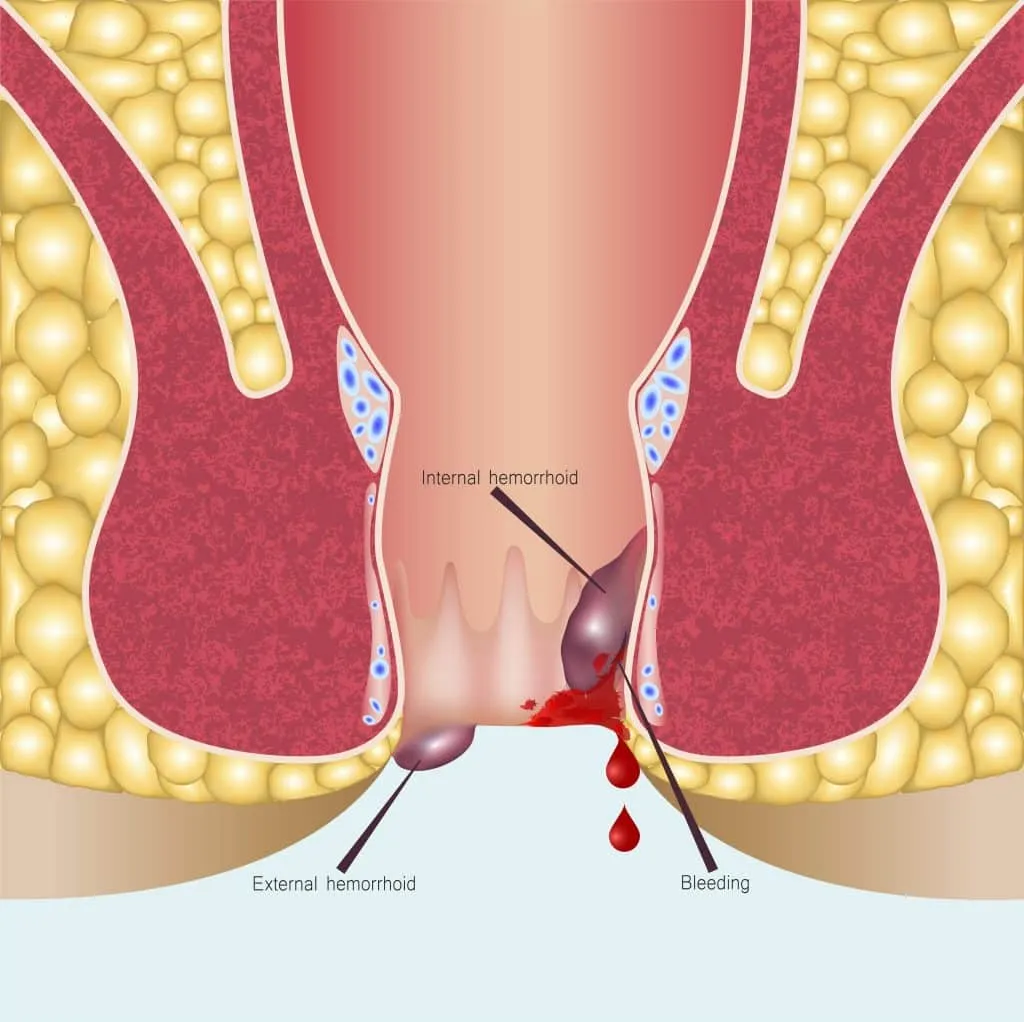
Not all piles are the same. They are generally classified into two main types:
- Internal piles: Develop inside the rectum. They are usually not visible and often painless, but may cause bleeding during bowel movements.
- External piles: Form under the skin around the anus. These are more likely to cause discomfort, including pain, swelling, itching, or a noticeable lump.
Both types can flare up depending on bowel habits and lifestyle factors.
Why Do Piles Keep Coming Back?
Even after symptoms improve or initial treatment, piles can return—especially when the underlying triggers are not fully addressed or when surgery hasn’t been done to remove the affected tissue.
Common Triggers And Lifestyle Factors
If your bowel habits haven’t changed, piles can easily return.
Some of the most common reasons include:
- Still straining during bowel movements
- Not getting enough fibre in your diet
- Dehydration leading to harder stools
- Sitting for long periods without movement
- Ignoring the early signs of constipation
Even if symptoms settle temporarily, these habits continue to put pressure on the same area.
Incomplete Treatment
Another reason piles can return is that treatment often focuses on relieving symptoms rather than removing the underlying cause.
For example, creams may quickly reduce swelling and discomfort, but the condition can easily flare up again.
Why Home Remedies And Creams Often Fall Short
It’s very common to start with home treatments, and in mild cases, they can provide short-term relief. However, they do not address the underlying problem, so they are not a long-term solution.
Temporary Relief or Long-Term Resolution
Creams, suppositories, and warm baths can help ease itching, swelling, and discomfort in the short term.
But since they do not treat or remove the underlying swollen veins that cause piles, your symptoms may return or worsen.
When Over-The-Counter Treatments Are Not Enough
You should start to take things more seriously if:
- Symptoms keep returning after treatment
- Bleeding continues or becomes more frequent
- Pain or swelling is affecting daily activities
- You rely on creams repeatedly without long-term improvement
At this point, it usually means the condition needs medical assessment rather than self-treatment.
Risks Of Delaying Proper Medical Care
Many people delay seeing a doctor because piles feel manageable at first. However, putting off treatment can allow the condition to worsen over time.
Piles may become larger, more symptomatic, or less responsive to simple treatments. In severe cases, surgery may be required to manage the condition and prevent recurrence.
Experiencing symptoms of piles? Book an appointment with Dr Calvin Ong for a medical assessment and treatment advice.
Piles Treatment Options In Singapore
The good news is that there are several haemorrhoid treatment options depending on severity. A colorectal specialist will usually recommend a step-by-step approach.
Non-Surgical Treatments
For mild cases, treatment often starts conservatively.
This may include:
- Increasing fibre intake
- Drinking more water
- Stool softeners to reduce straining
- Medication to reduce swelling and discomfort
These measures aim to improve bowel habits and reduce pressure on the veins.
Minimally Invasive Procedures
When lifestyle changes and basic treatments are not enough, your specialist may recommend minimally invasive procedures.
These treatments target the haemorrhoids directly to reduce symptoms and help prevent recurrence, without the need for major surgery. They are usually done as day procedures.
| Procedure | How It Works | What It Aims To Do |
| Rubber Band Ligation | A small rubber band is placed at the base of the haemorrhoid to cut off the blood supply | Causes the haemorrhoid to shrink and fall off over time |
| Sclerotherapy | A solution is injected into the haemorrhoid | Reduces blood flow, leading to the shrinkage of the haemorrhoid |
| Infrared Coagulation | Heat energy is applied to the haemorrhoid tissue | Seals blood vessels and reduces the size of the haemorrhoid |
When Surgery May Be Recommended
When piles are severe, recurrent, or do not respond to non-surgical treatments, your colorectal specialist may recommend surgery.
These procedures aim to remove or reduce haemorrhoidal tissue to provide longer-term relief and lower the risk of recurrence.
| Procedure | How It Works | When It Is Used |
| Conventional Haemorrhoidectomy | Surgically removes the haemorrhoidal tissue completely | Used for large, severe, or recurrent piles |
| Stapled Haemorrhoidopexy | Lifts and staples prolapsed tissue back into position, reducing blood flow | Suitable for prolapsed internal haemorrhoids |
| Laser Haemorrhoid Surgery | Uses laser energy to shrink or remove haemorrhoidal tissue | Selected cases where less tissue disruption is preferred |
After Treatment: Preventing Piles From Coming Back
Treatment is only part of the solution. What you do afterwards plays a big role in preventing recurrence.
Diet, Bowel Habits, And Lifestyle Changes
Simple daily changes can make a big difference, such as:
- Eating more fibre (vegetables, fruits, whole grains)
- Drinking enough water throughout the day
- Avoiding straining during bowel movements
- Going to the toilet when you feel the urge
- Reducing long periods of sitting when possible
These habits help soften stools and reduce pressure in the rectal area.
Managing Risk Factors Long Term
If you are prone to constipation or have a sedentary lifestyle, it’s important to manage these consistently.
Regular movement, exercise, and awareness of bowel habits can significantly reduce the chances of piles returning.
When Should You See A Piles Specialist in Singapore?
Piles should always be assessed by a doctor or specialist, even if the symptoms seem mild at first. However, certain signs make it especially important not to delay medical attention.
Warning Signs You Should Not Ignore
You should seek medical attention if you notice:
- Rectal bleeding that keeps happening
- A painful or persistent lump near the anus
- Increasing discomfort during bowel movements
- Symptoms that do not improve with basic treatment
Recurring Symptoms
If your symptoms keep returning despite lifestyle changes or repeated treatment, it’s a sign that you need a more definitive treatment plan.
Recurring piles are often a signal that the underlying issue hasn’t been fully addressed.
Seek Guidance From A Piles Specialist in Singapore
In Singapore, Dr Calvin Ong — an experienced colorectal specialist — can help you understand the severity of your piles, rule out other causes of bleeding or discomfort, and guide you towards appropriate treatment options.
The goal is not just to treat the flare-up, but to help you break the cycle so it doesn’t keep coming back.